Prada Luna Rossa CarbonvsDior Sauvage Eau de Parfum
Complete comparison guide to help you choose between these two fragrances.
Quick Verdict
Luna Rossa Carbon and Dior Sauvage share DNA - both are ambroxan-heavy fresh fragrances designed for mass appeal. But they're not interchangeable. Carbon is cleaner and more metallic; Sauvage is warmer and more versatile. For pure fresh-clean aesthetics, Carbon has a slight edge. Its lavender-ambroxan combination feels more "laundered shirt" than Sauvage's "freshly showered skin." The metallic quality is polarizing but distinctive. For all-around versatility and compliment-getting, Sauvage remains the benchmark. Its warmer dry-down and broader appeal make it the safer choice for most men. If you already own Sauvage and want something similar but different, Carbon is worth trying. If you're choosing between them, Sauvage is the crowd-proven option.
Side-by-Side Overview
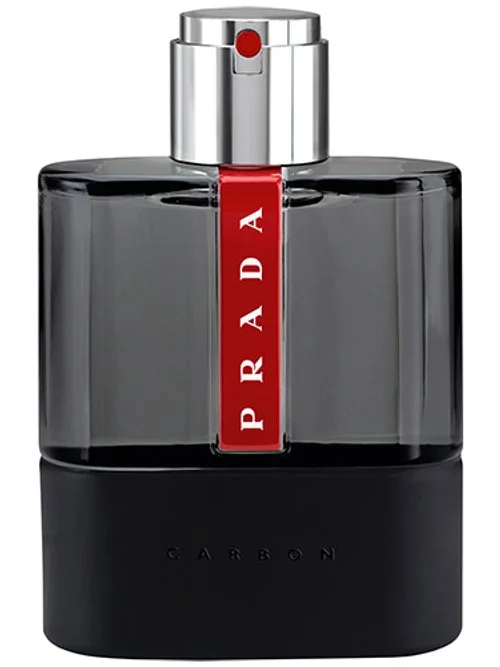
Prada
Luna Rossa Carbon
Dior
Sauvage Eau de Parfum
Scent Profile Comparison
Luna Rossa Carbon
Luna Rossa Carbon opens with bergamot and lavender, creating a fresh, clean impression. The ambroxan arrives early, contributing that familiar magnetic quality shared with Sauvage. But Carbon adds a metallic edge - almost like cold air or steel. The heart features a mineral-ambroxan accord that gives Carbon its distinctive character. It's clean in a "pressed suit, clean office" way rather than Sauvage's "weekend casual" freshness. The dry-down is woody with ambroxan persisting throughout. Longevity is excellent (8-10 hours) with consistent moderate projection. The metallic note can polarize - some find it sophisticated, others find it synthetic.
Sauvage Eau de Parfum
Sauvage EDP opens with bold Calabrian bergamot and Sichuan pepper, immediately attention-grabbing. The ambroxan creates that signature magnetic quality, but wrapped in warmer, more organic notes. The heart balances ambroxan with lavender and geranium, adding aromatic complexity. This feels more "natural" than Carbon's mineral approach - like skin rather than fabric. The dry-down features sandalwood, cedar, and vanilla, creating warmth that Carbon lacks. This makes Sauvage more versatile across seasons and occasions. Longevity and projection are strong and reliable.
Key Differences
The core difference is character: Carbon is cold-metallic-clean; Sauvage is warm-aromatic-clean. Both use ambroxan, but the supporting notes create distinct experiences. Carbon is more "fashion-forward" - its metallic quality signals modern sophistication but risks feeling synthetic. Sauvage is more "crowd-proven" - its warmer profile appeals more broadly. Projection patterns are similar, but Sauvage has a more enveloping aura while Carbon has a sharper edge. Personal chemistry matters more with these ambroxan-heavy fragrances. Price is comparable, with Sauvage slightly higher due to brand positioning.
Which Should You Choose?
Choose Luna Rossa Carbon
Choose Luna Rossa Carbon if you prefer ultra-clean aesthetics and want something distinct from the Sauvage-wearing crowd. Its metallic edge suits modern, fashion-conscious sensibilities. Carbon particularly appeals to men who find Sauvage "too common" or want a fresher alternative. It's also interesting for layering experiments due to its clean, simple structure.
Choose Sauvage Eau de Parfum
Choose Dior Sauvage if universal appeal and versatility matter most. Its proven track record and broader acceptance make it the safer investment. Sauvage suits men who want reliable compliment-getting without the risk of polarizing reactions. If you're uncertain between these two, Sauvage is the lower-risk choice.
Frequently Asked Questions
Not a clone, but they share ambroxan-heavy DNA. Carbon was created by the same perfumer and explores similar territory differently. They're cousins, not copies.
Sauvage typically wins on compliment frequency due to broader appeal. Carbon gets compliments too, but its metallic character can be polarizing. Sauvage is the safer compliment-getter.
Carbon's ultra-fresh character might have a slight edge in extreme heat. But Sauvage works year-round. Neither is wrong for summer; choose based on overall preference.
No - side by side, the differences are clear. Carbon is metallic and cold; Sauvage is warm and organic. They occupy similar territory but deliver different experiences.
You could, but the ambroxan overload might be overwhelming. If you want to layer either, pair with something different - a woody or spicy fragrance rather than another ambroxan bomb.